

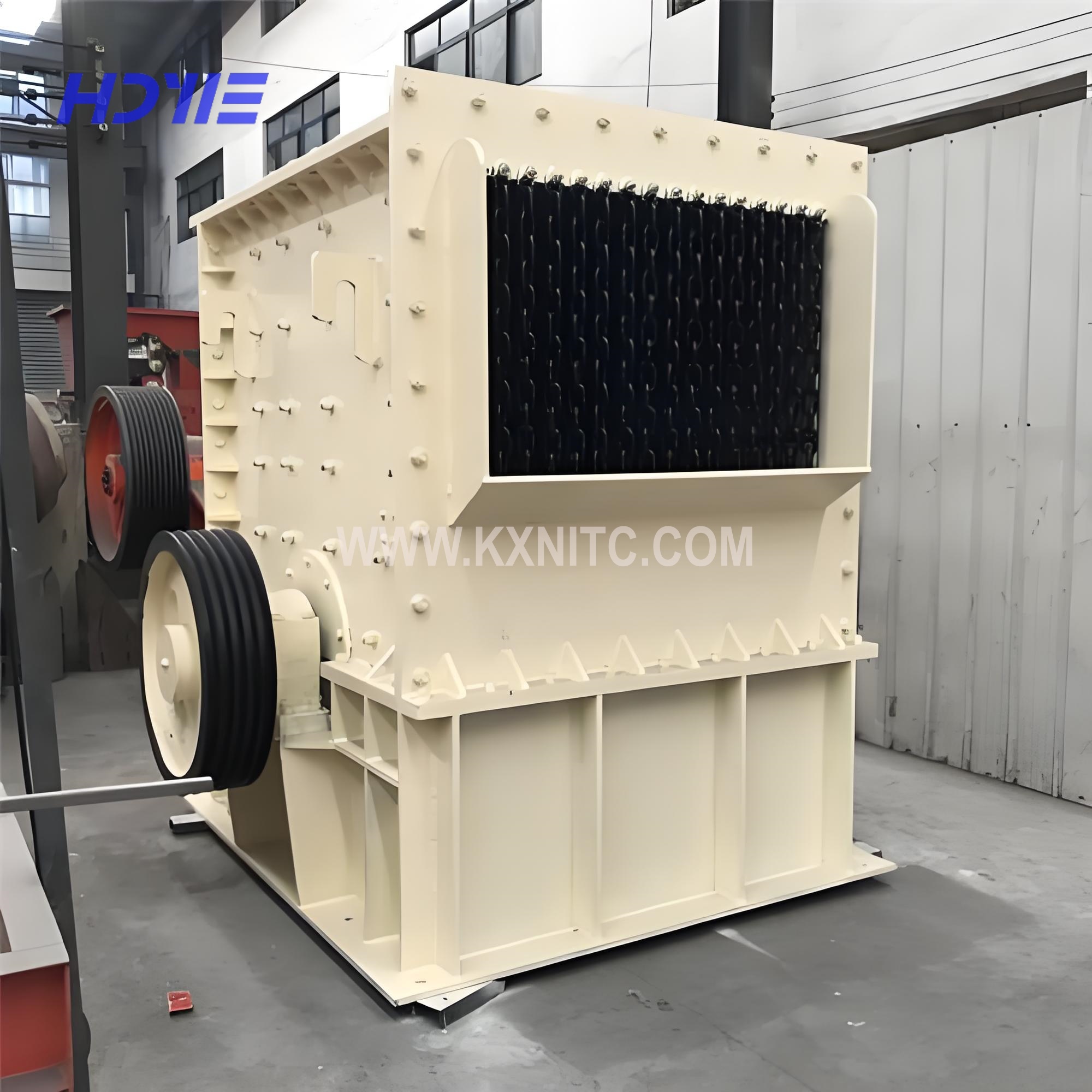
Product Detail
Product Parameter
Common Types and Characteristics of Crushers
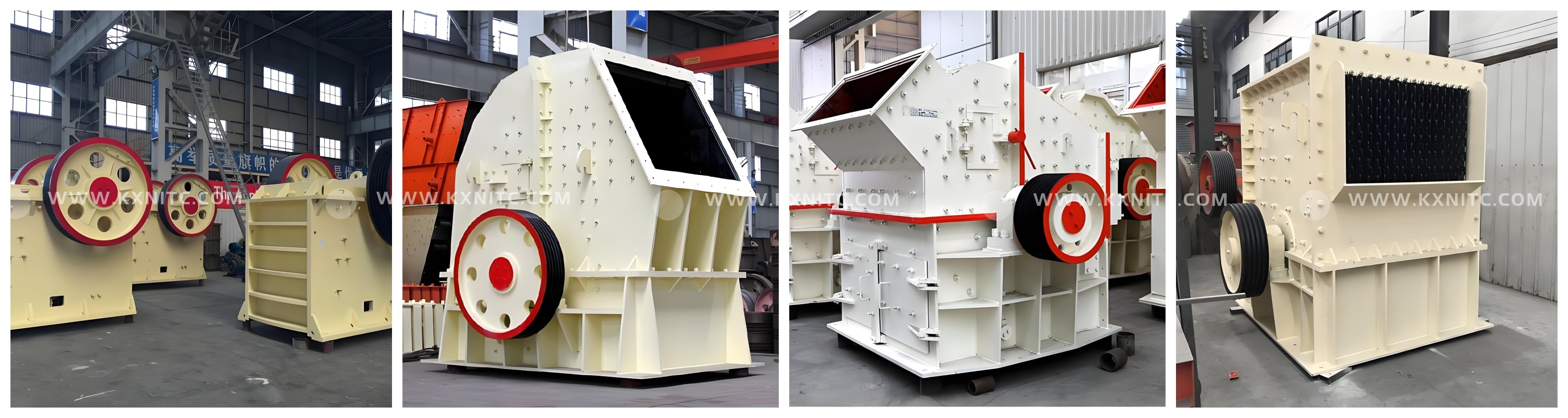
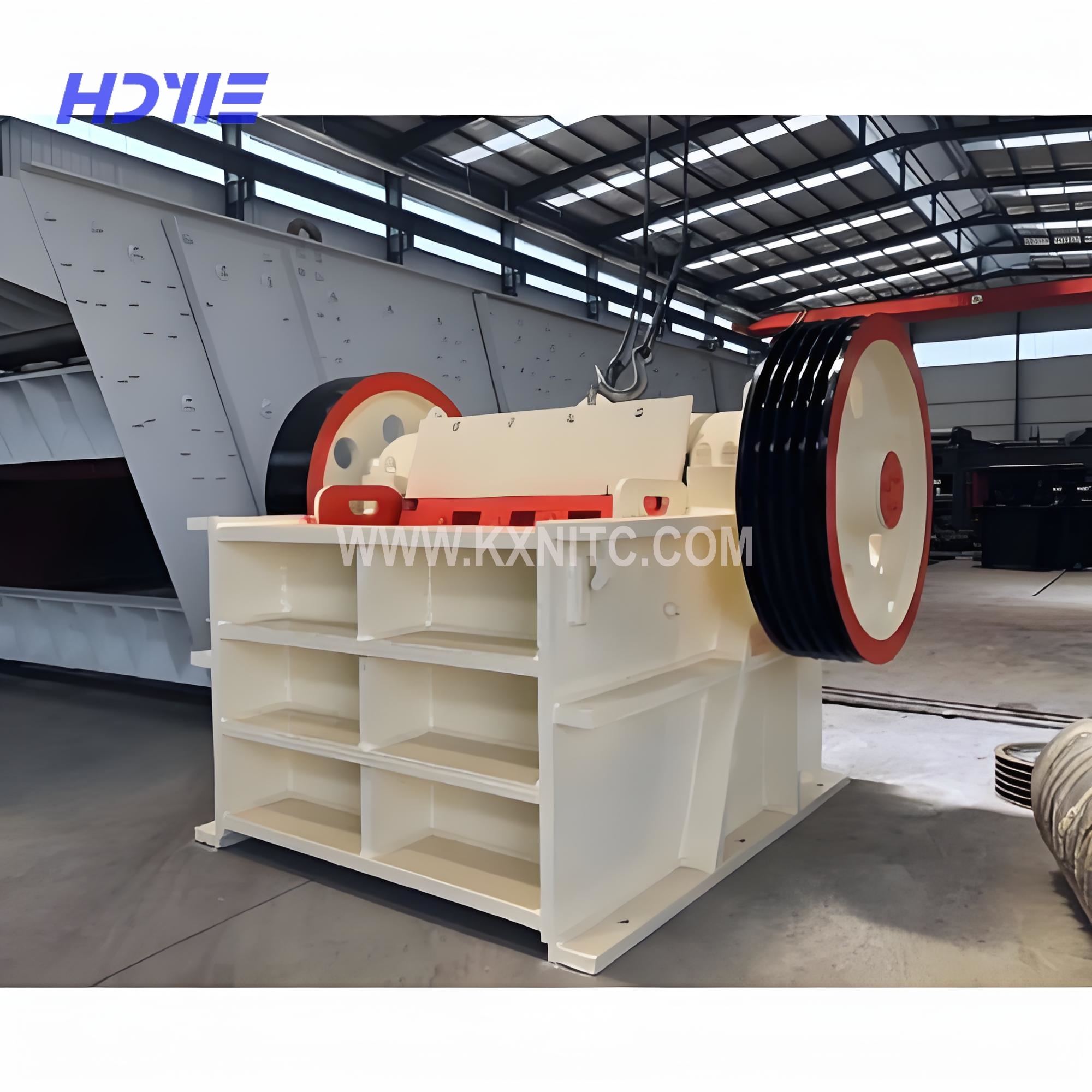
1. Jaw Crusher (Preferred for Primary Crushing)
Working Principle: The motor drives the eccentric shaft to rotate, causing the moving jaw to periodically approach/leave the fixed jaw, crushing materials through extrusion, rubbing, and grinding.
Advantages: Simple structure, reliable operation, convenient maintenance, strong adaptability, capable of handling materials of various hardness.
Application Range: Rocks with compressive strength ≤ 320 MPa (such as granite, basalt, limestone, etc.), used in primary crushing operations.
2. Cone Crusher (Main Force for Secondary and Fine Crushing)
Working Principle: The moving cone makes a pendulum motion driven by the eccentric sleeve, forming a crushing cavity that tapers from large to small with the fixed cone, and crushes materials through laminating.
Advantages: Strong crushing force, high efficiency, large output, good product grain shape, low wear, and less dust.
Application Range: Secondary and fine crushing of medium-hard and above materials, widely used in sand and gravel production lines and metal mines.
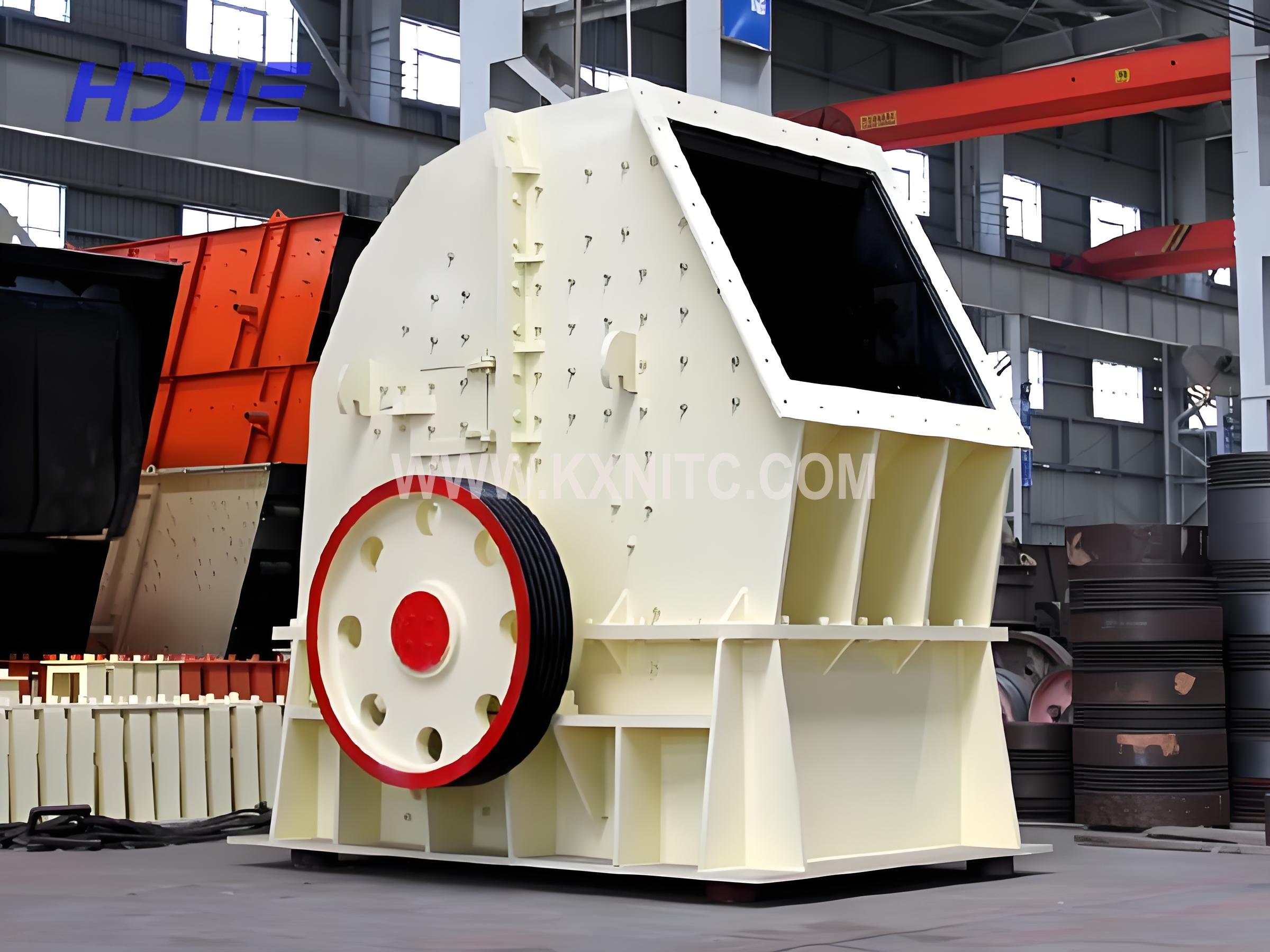
3. Impact Crusher (Expert in Grain Shape Optimization)
Working Principle: The high-speed rotating rotor drives the blow bars to impact materials, making them hit the impact plate and rebound, resulting in multiple impact crushing.
Advantages: Large crushing ratio (up to 40), cubic product grain shape, strong adaptability, and compact structure.
Application Range: Secondary and fine crushing of materials below medium hardness (such as limestone, concrete), especially suitable for aggregate production with high requirements on grain shape.
4. Hammer Crusher (Crushing of Brittle Materials)
Working Principle: Materials are crushed by direct impact from high-speed rotating hammers.
Advantages: Large crushing ratio, uniform product granularity, simple structure, and easy operation.
Application Range: Crushing of brittle materials (such as coal, salt, gypsum), not suitable for high-hardness materials.
5. Vertical Impact Crusher (Specialized for Sand Making)
Working Principle: Materials are accelerated by the high-speed rotating impeller and then crushed by collision with the impact plate or material layer, while achieving particle shaping.
Advantages: Excellent product grain shape, reasonable gradation, and high sand formation rate.
Application Range: Sand and gravel aggregate production, artificial sand making, and slag treatment.