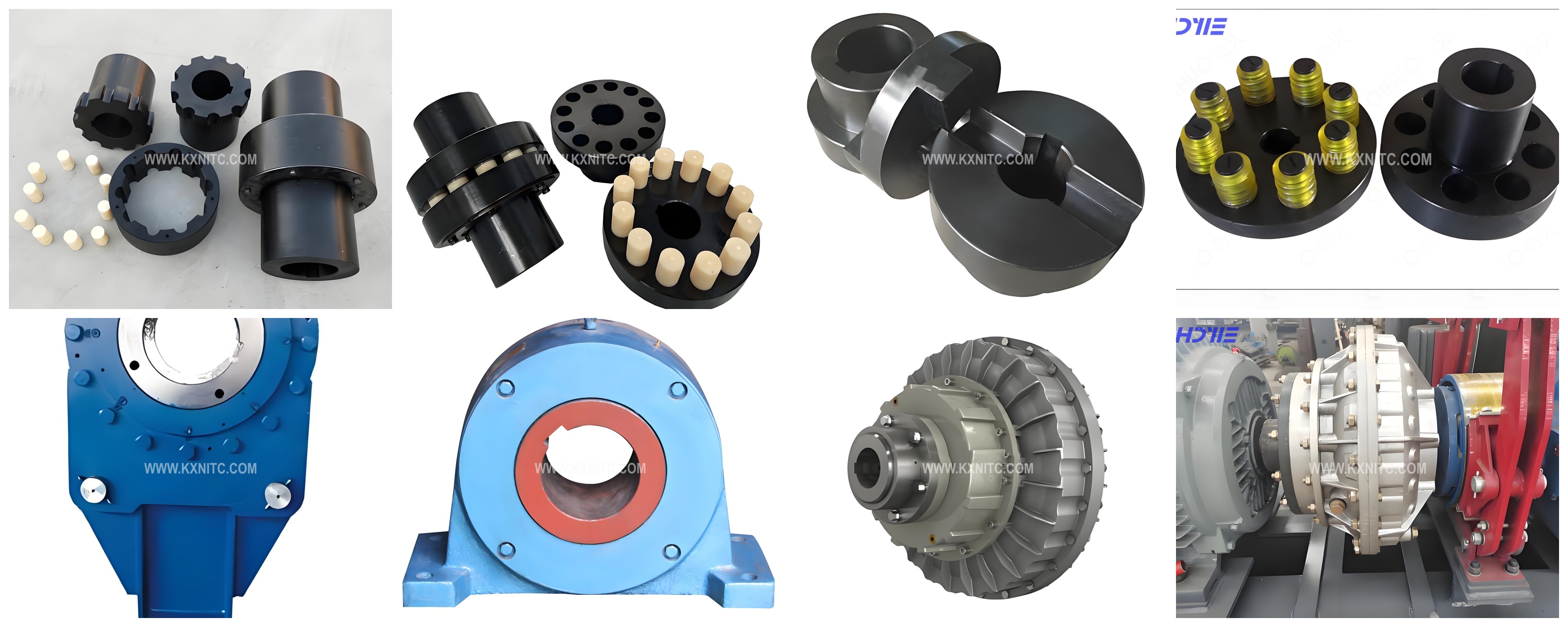


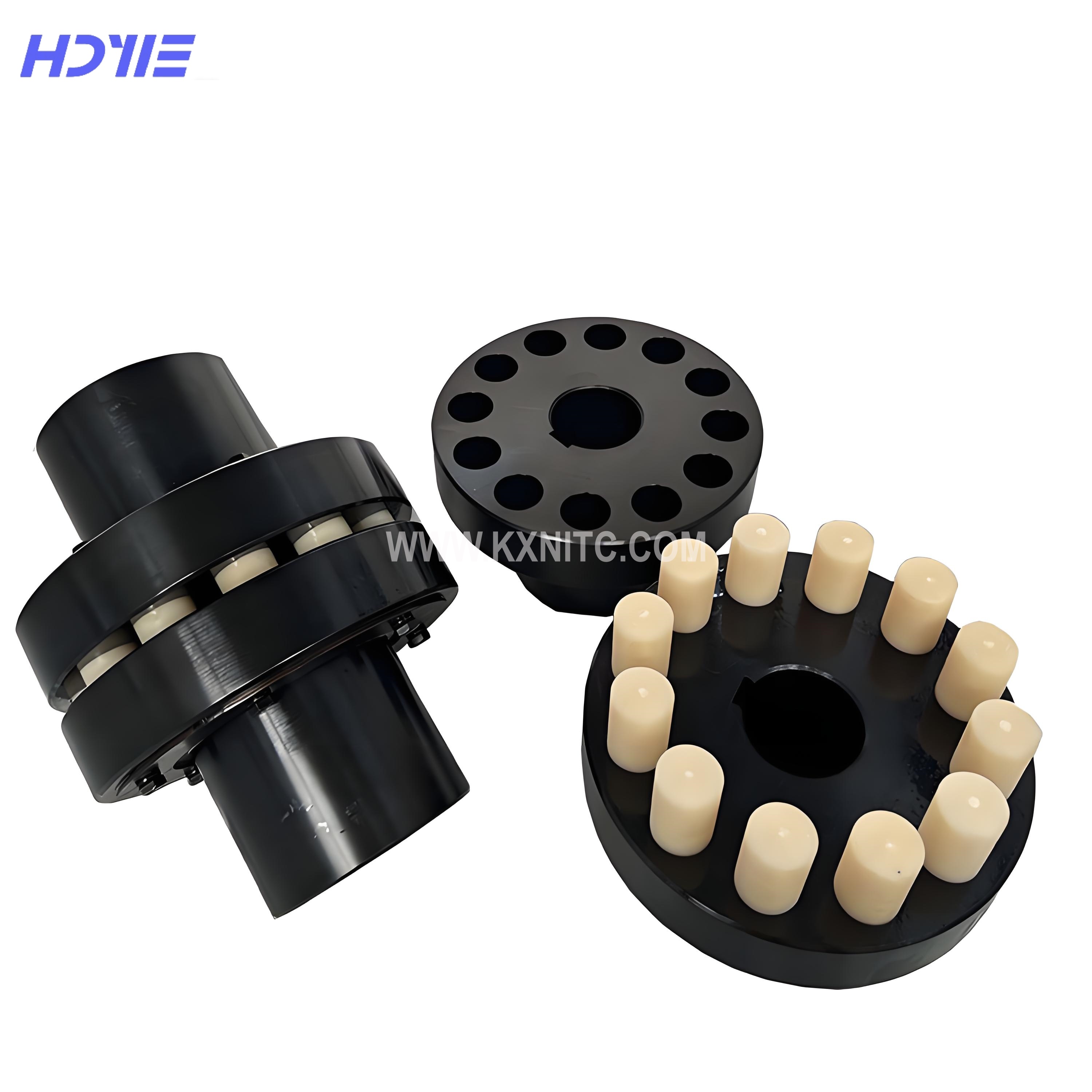
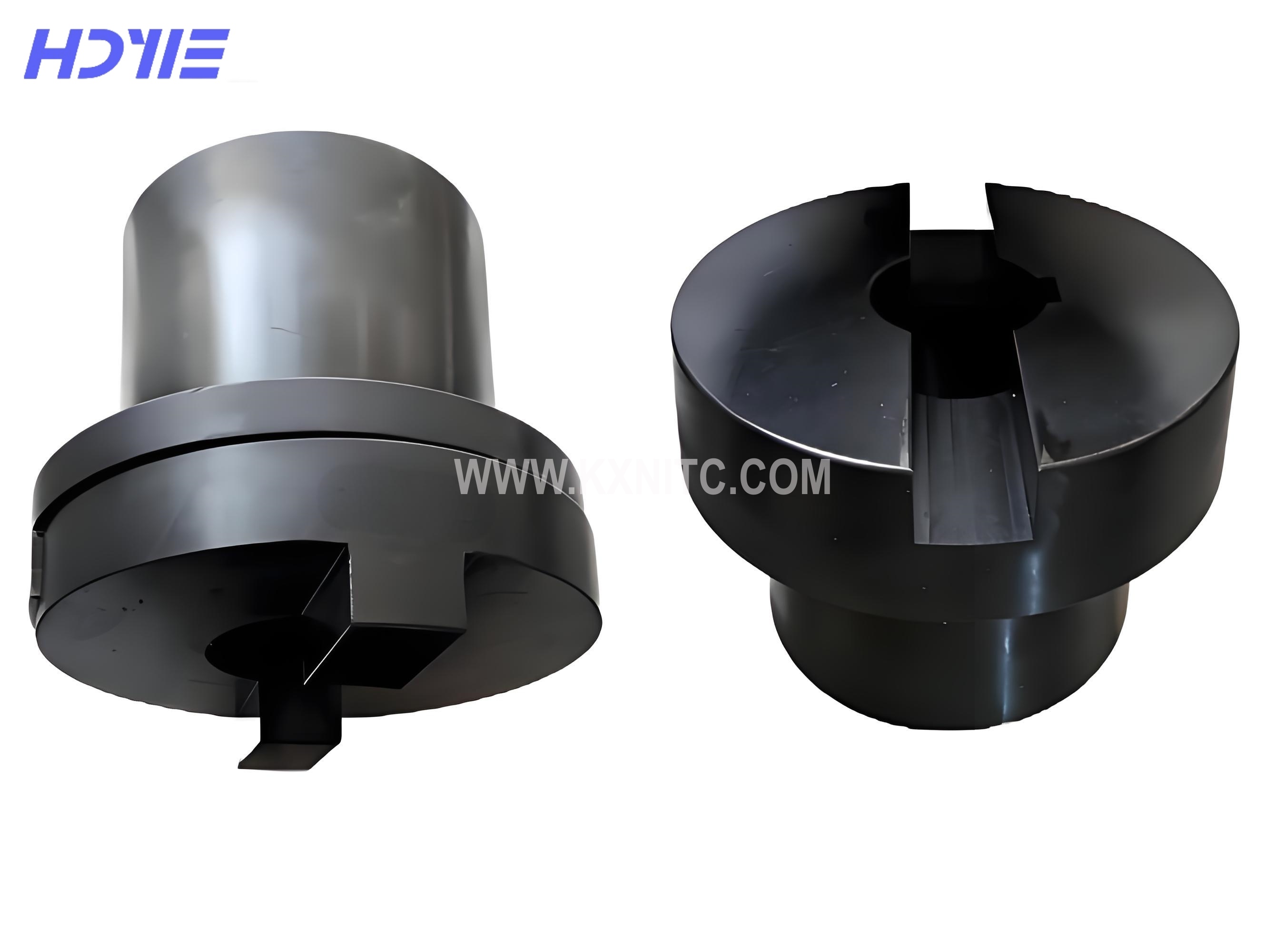
1.A coupling is an indispensable core connecting component in mechanical transmission systems. It is used to connect the ends of two shafts (or a shaft and a rotating part), rotating together during the transmission of motion and power. Under normal circumstances, it does not disengage and can only be separated after the machine is stopped and disassembled. It is known as the "master bridge builder" in mechanical transmission and is a key link connecting power sources (such as motors and internal combustion engines) with working machines (such as pumps, fans, and reducers)..
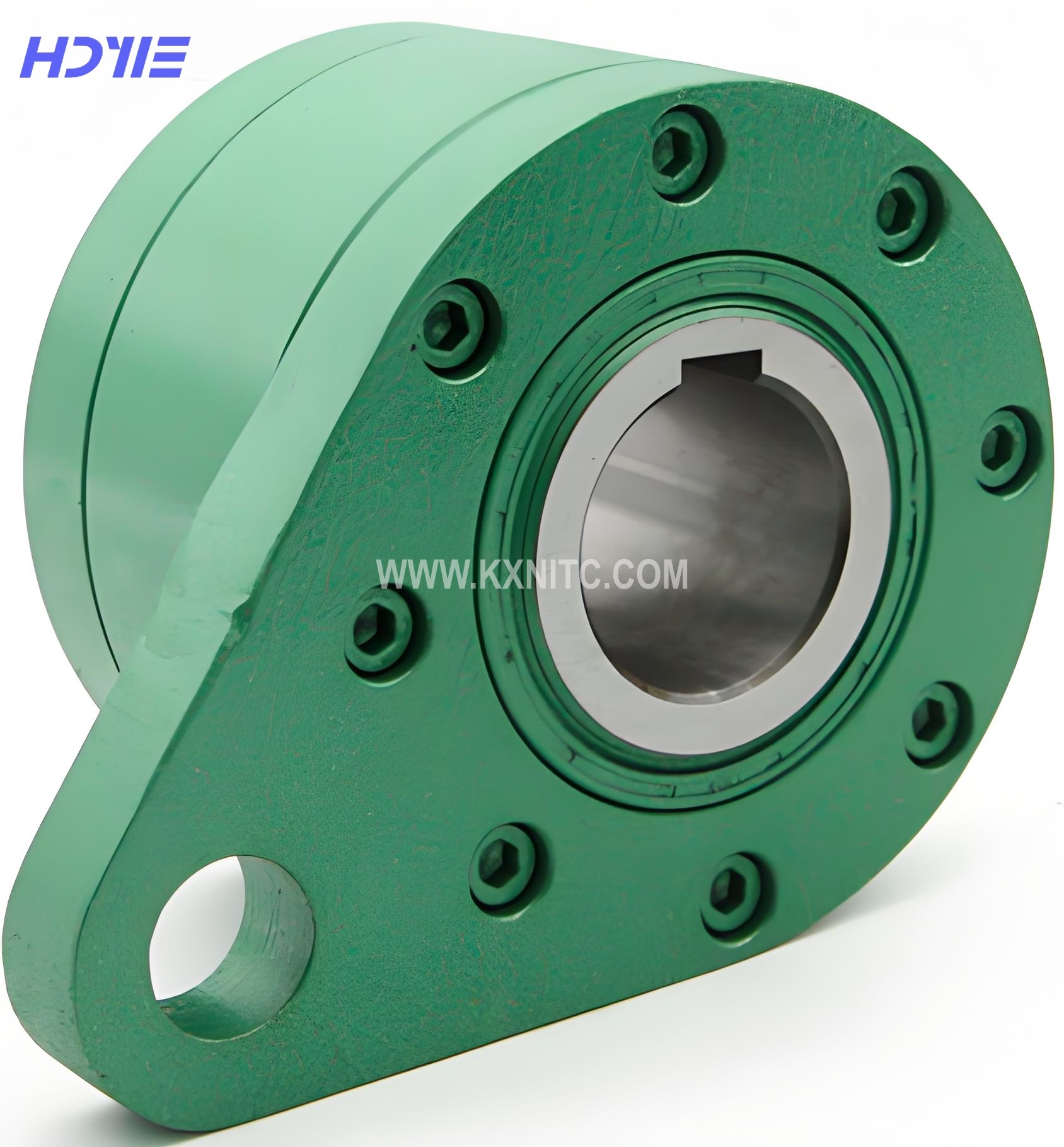
2.A backstop (also known as a non-return device, one-way bearing, or anti-reversal device) is a key safety component that prevents reverse operation of mechanical transmission systems. It is widely used in industrial fields such as mining, ports, electric power, and metallurgy. Its core function is to stop the reverse movement of equipment caused by load gravity, inertia, or power failure, ensuring personnel safety, equipment integrity, and stable production.
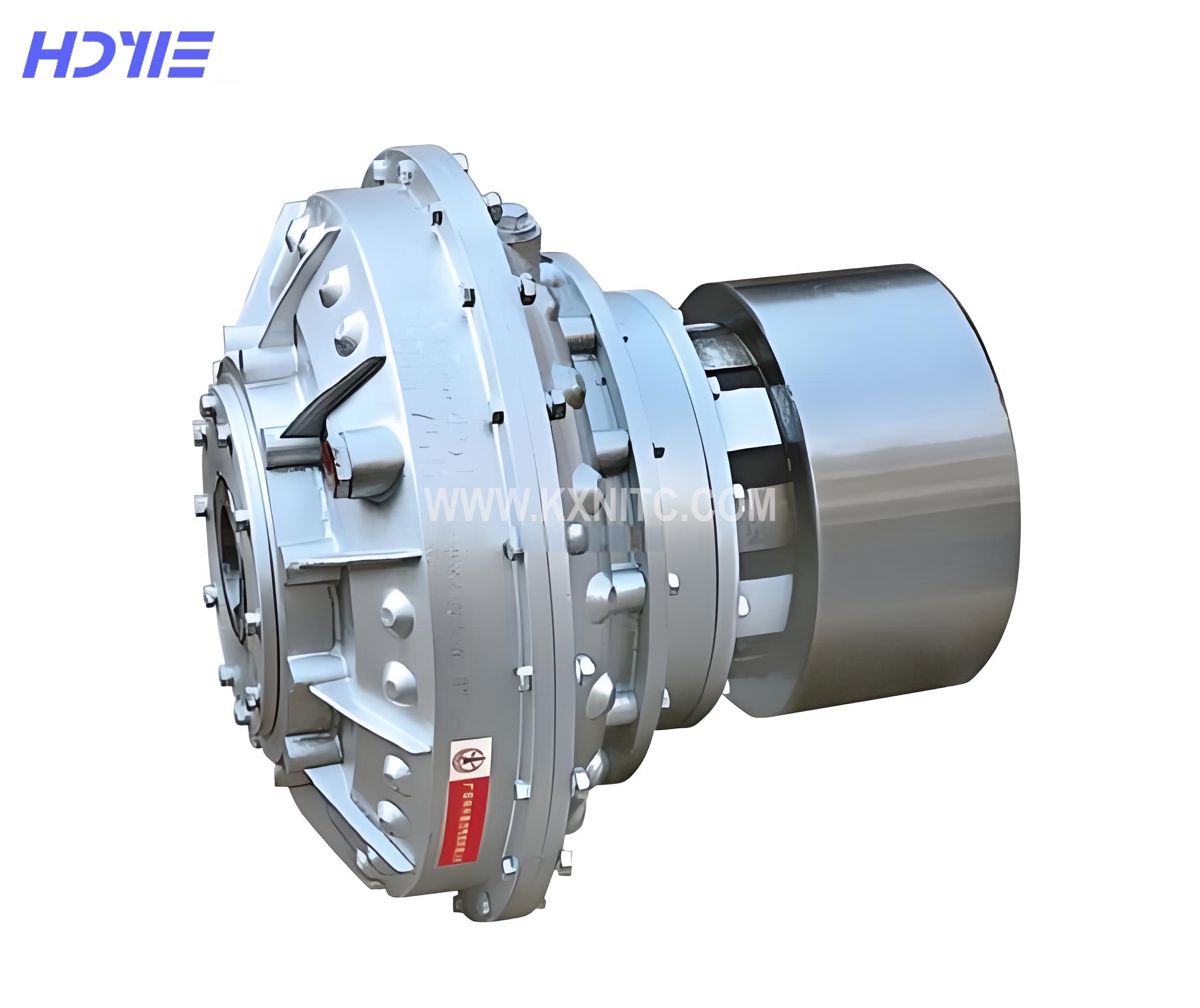
3.Fluid Coupling, also known as hydraulic coupling, is a non-rigid flexible transmission device that uses liquid (usually mineral oil or turbine oil) as the working medium and transmits torque through changes in the momentum moment of the liquid. It connects the power source (such as an electric motor, internal combustion engine, etc.) with the working machine to realize the functions of flexible power transmission and protection.